
About this Disease
Esophageal cancer research continues to advance our understanding of the disease, from prevention and early detection to diagnosis, surgery, systemic therapies, and survivorship. ECEF has created this resource library to help patients, caregivers, families, and the broader community explore current articles and research on esophageal cancer treatment, clinical studies, surgical advances, immunotherapy, targeted therapies, biomarkers, screening, risk factors, and emerging approaches to care. Articles are selected from external medical, research, and news sources and link to the original publication for further reading.
Showing 20 of 1388 resources



Predicting Tumor Response Using Combo of Peritumoral Radiomics Features Appears Effective
A combination of peritumoral radiomics features appeared to improve the predictive performance of intratumoral radiomics to estimate pathological complete response after neoadjuvant chemoradiation in patients with esophageal squamous cell carcinoma. https://www.cancernetwork.com/view/predicting-tumor-response-using-combo-of-peritumoral-radiomics-features-appears-effective

Study Shows Nivolumab-Chemo Combination Improves Survival in Gastric and Esophageal Cancers
Bristol Myers Squibb announced that their phase 3 CheckMate-649 trial demonstrated superior overall survival and profession-free survival using nivolumab plus chemotherapy to treat patients with gastric and esophageal cancers. https://www.cancernetwork.com/view/study-shows-nivolumab-chemo-combination-improves-survival-in-gastric-and-esophageal-cancers
Interleukin Inhibitors May Raise Infection, Cancer Risks
Treatment of rheumatologic diseases with interleukin inhibitors may raise patients’ risks for serious and opportunistic infections and possibly also cancer, researchers reported in JAMA Network Open in October. https://www.rheumatologynetwork.com/news/interleukin-inhibitors-may-raise-infection-cancer-risks
Current Treatment of Esophageal Cancer and Promising Clinical Trials Underway
To discuss current and emerging therapy options for esophageal cancer, ONCOLOGY spoke with Geoffrey Y. Ku, MD, a medical oncologist at Memorial Sloan Kettering Cancer Center in New York, who specializes in the treatment of…
Endoscopic Resection Brings Excitement to Esophageal Cancer Treatment
Cancer Network spoke with Dr. Daniela Molena about the advancements in the treatment of esophageal cancer, including the safety and importance of endoscopic resection for the disease. http://www.cancernetwork.com/asco-gi-street-team/endoscopic-resection-brings-excitement-esophageal-cancer-treatment
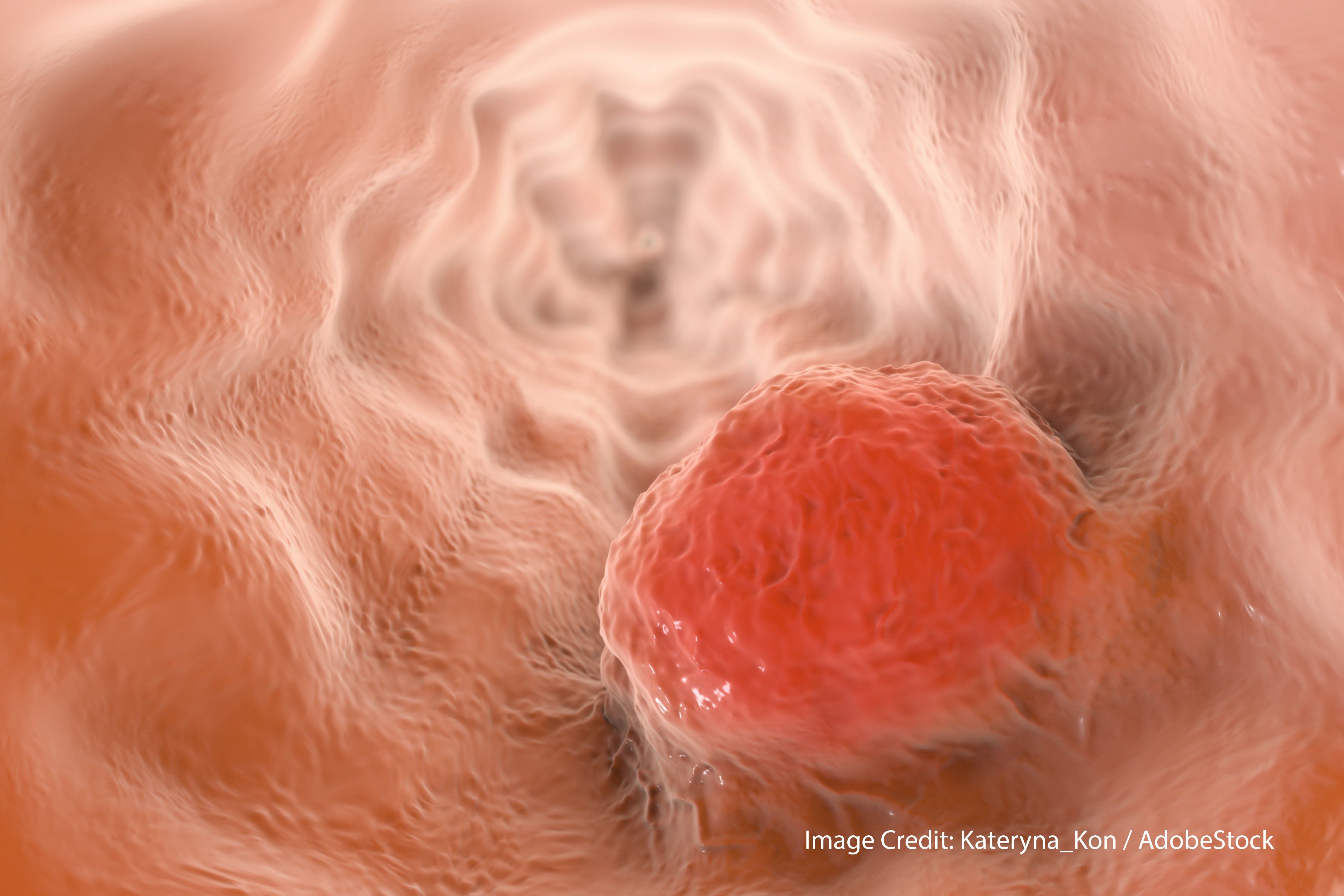
Chemotherapy Toxicity Differs by Sex in Esophageal Cancer
A large pooled analysis of individuals with advanced esophageal cancer showed men and women have different side effects to chemotherapy. Further exploration of these findings could help inform treatment decisions to include certain medications to…
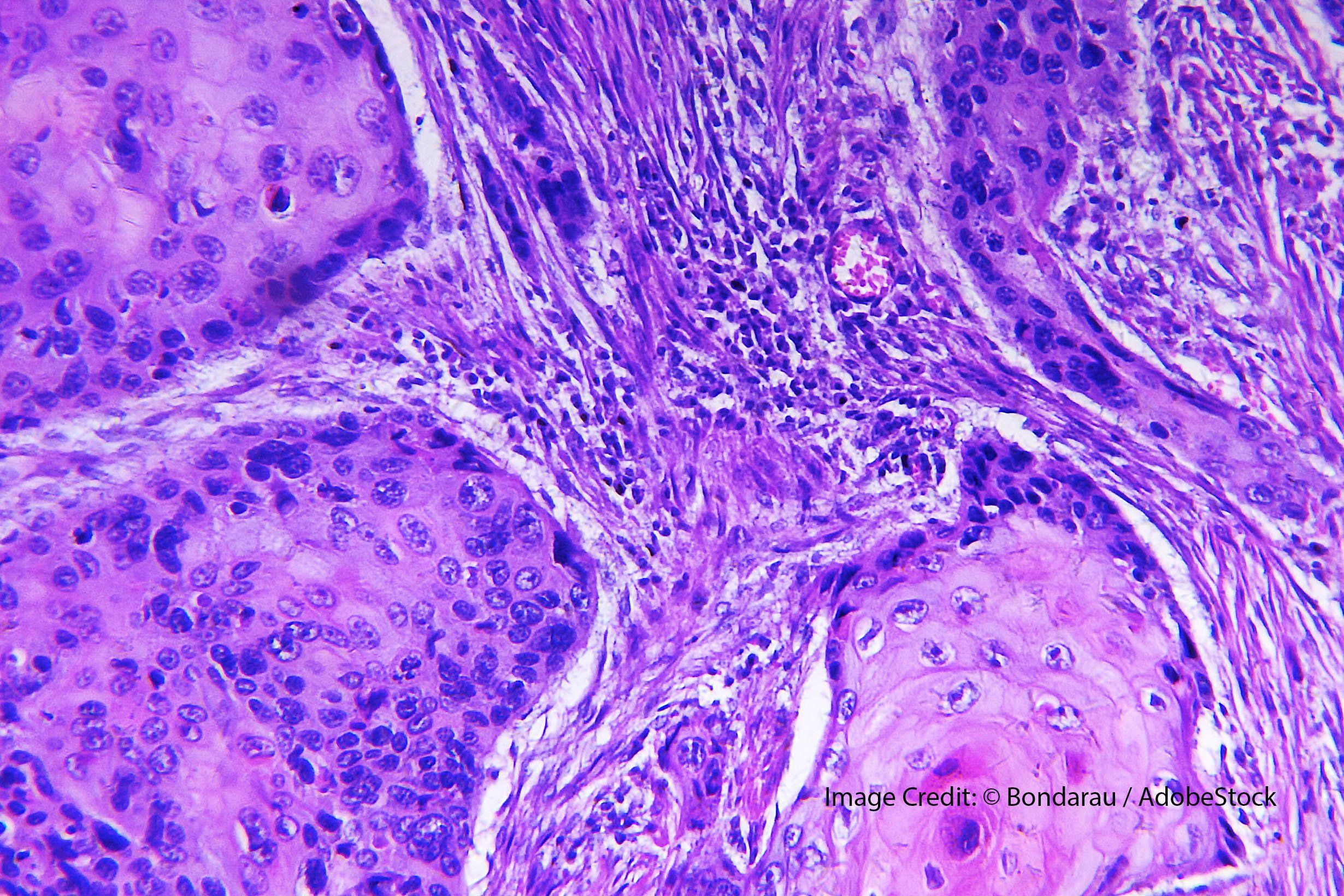
Is Controversy Over NCRT Plus Surgery Warranted in Esophageal Squamous Cell Carcinoma?
Neoadjuvant chemoradiotherapy (NCRT) plus surgery significantly improves survival vs surgery alone in locally advanced esophageal squamous cell carcinoma (ESCC), with acceptable and manageable adverse events, according to a new study. http://www.cancernetwork.com/head-neck-cancer/controversy-over-ncrt-plus-surgery-warranted-esophageal-squamous-cell-carcinoma

High-Dose PPI Plus Aspirin Reduced Esophageal Cancer Risk
The combined use of aspirin and a high-dose proton pump inhibitor (PPI) appears to offer protection against the development of esophageal cancer in high-risk individuals, according to new findings presented at the 2018 American Society…
New Standard Identified for Resection of Mid to Low Esophageal Cancers
The use of hybrid minimally invasive esophagectomy reduced postoperative morbidity in patients with esophageal cancers, according to the results of the MIRO trial (abstract 615O_PR) presented at the European Society for Medical Oncology (ESMO) 2017…
Adding Cetuximab in Esophageal Cancer Fails to Improve Survival
Use of the epidermal growth factor receptor (EGFR) inhibitor cetuximab with chemoradiation did not improve overall survival (OS) in patients with esophageal carcinoma compared with chemoradiation alone, according to the results of the phase III…
Role of Nurse Practitioners in Managing Esophageal Cancer, Complications
Nurse practitioners play a central role in helping patients with esophageal cancer understand and manage their disease and treatment complications, emphasized a speaker at the Oncology Nursing Society (ONS) 42nd Annual Congress, held May 4–7…
IMRT vs Proton Therapy in Esophageal Cancer
The current standard for treating patients with esophageal cancer is 3D radiation, but newer technologies such as intensity-modulated radiation therapy (IMRT) and proton therapy have shown the ability to reduce toxicity by limiting radiation to…
Immunotherapy Treatments Only Just Emerging in Esophageal, Gastric Cancers
As part of our coverage of ASCO’s 2017 Gastrointestinal Cancers Symposium held January 19th to the 21st in San Francisco, today we are speaking with Dr. Geoffrey Ku, MD, a medical oncologist with Memorial Sloan…
PET Scans Helped Tailor Induction Chemotherapy for Esophageal Cancers
Using positron emission tomography (PET) scans during induction chemotherapy for esophageal cancer, researchers were able to assess patient response to treatment and adjust their therapy, leading to an improved rate of pathologic complete response prior…
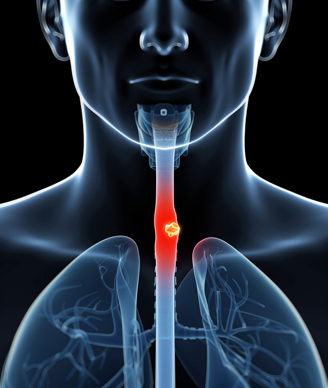
Learning Curve Exists for Esophageal Cancer Surgery
Results of a new Swedish study have shown that a surgeon needed to perform at least 15 esophagectomies in cancer patients in order to achieve stable survival results in the first months after the operation.…
Oral Osteoporosis, Bisphosphonates Drugs, Esophageal Cancer Side Effects Lawsuits
Have you been diagnosed with esophageal cancer while taking oral bisphosphonates such as, – Fosamax, Actonel, Boniva, Atelvia, Didronel, or Skelid – for osteoporosis? The U.S. Food & Drug Administration (FDA) is currently conducting an…